Aged 21 or above
Applicants must be aged 21 or above, hold a Hong Kong identity card and be eligible to volunteer in Hong Kong.
Support us by volunteering
After selection and training, you will be able to offer calm, confidential and non-judgemental support to people in emotional distress.
It takes about two minutes to complete. Registration does not guarantee selection.

Volunteering requires a steady commitment. Please consider the following essential requirements before registering.
Applicants must be aged 21 or above, hold a Hong Kong identity card and be eligible to volunteer in Hong Kong.
Hotline conversations may take place in Cantonese, English or another language, depending on the caller.
You must attend all required sessions and complete supervised practice before beginning frontline services.
An experienced mentor will support you during your first calls and as you settle into the role.
If you do not currently meet the requirements, you can still support the organisation through donations, fundraising, community partnerships or by sharing emotional support information.
Volunteering requires a steady commitment. Please consider the following essential requirements before registering.
Applicants must be aged 21 or above, hold a Hong Kong identity card and be eligible to volunteer in Hong Kong.
Hotline conversations may take place in Cantonese, English or another language, depending on the caller.
You must attend all required sessions and complete supervised practice before beginning frontline services.
An experienced mentor will support you during your first calls and as you settle into the role.
If you do not currently meet the requirements, you can still support the organisation in other ways.
Volunteering requires a steady commitment. Please consider the following essential requirements before registering.
Applicants must be aged 21 or above, hold a Hong Kong identity card and be eligible to volunteer in Hong Kong.
Hotline conversations may take place in Cantonese, English or another language, depending on the caller.
You must attend all required sessions and complete supervised practice before beginning frontline services.
An experienced mentor will support you during your first calls and as you settle into the role.
If you do not currently meet the requirements, you can still support the organisation in other ways.

Listening volunteers make the 24-hour service possible. The journey of a volunteer begins with a careful selection process, followed by training and supported practice.
Listening volunteers make the 24-hour service possible. The journey of a volunteer begins with a careful selection process, followed by training and supported practice.
Listening volunteers make the 24-hour service possible. The journey of a volunteer begins with a careful selection process, followed by training and supported practice.
As a listening volunteer, you’ll give people time and space to talk. You’ll learn to listen without judgement, respect boundaries and ask for support when you need it.
Follow the caller’s pace without rushing them or filling every silence.
Use thoughtful responses that give the caller room to describe what they are experiencing.
Listen without judgement or instruction, and do not impose your own answers, beliefs or values.
Follow service guidelines and seek support whenever a conversation involves risk or uncertainty.
As a listening volunteer, you’ll give people time and space to talk. You’ll learn to listen without judgement, respect boundaries and ask for support when you need it.
Follow the caller’s pace without rushing them or filling every silence.
Use thoughtful responses that give the caller room to describe what they are experiencing.
Listen without judgement or instruction, and do not impose your own answers, beliefs or values.
Follow service guidelines and seek support whenever a conversation involves risk or uncertainty.
As a listening volunteer, you’ll give people time and space to talk. You’ll learn to listen without judgement, respect boundaries and ask for support when you need it.
Follow the caller’s pace without rushing them or filling every silence.
Use thoughtful responses that give the caller room to describe what they are experiencing.
Listen without judgement or instruction, and do not impose your own answers, beliefs or values.
Follow service guidelines and seek support whenever a conversation involves risk or uncertainty.
Emotional distress does not keep office hours. The hotline depends on trained volunteers who can commit to regular shifts and support one another.
Hotline calls answered
24,227
in 2024/25
Volunteer training courses
3
completed in 2024/25
New listening volunteers
26
completed training in 2024/25
Emotional distress does not keep office hours. The hotline depends on trained volunteers who can commit to regular shifts and support one another.
Hotline calls answered
24,227
in 2024/25
Volunteer training courses
3
completed in 2024/25
New listening volunteers
26
completed training in 2024/25
Emotional distress does not keep office hours. The hotline depends on trained volunteers who can commit to regular shifts and support one another.
Hotline calls answered
24,227
in 2024/25
Volunteer training courses
3
completed in 2024/25
New listening volunteers
26
completed training in 2024/25
You are not expected to know how to handle hotline conversations before joining us. Training introduces listening practice, confidentiality, boundaries and self-awareness, followed by supported practice.

You are not expected to know how to handle hotline conversations before joining us. Training introduces listening practice, confidentiality, boundaries and self-awareness, followed by supported practice.
You are not expected to know how to handle hotline conversations before joining us. Training covers listening, confidentiality, boundaries and supported practice.
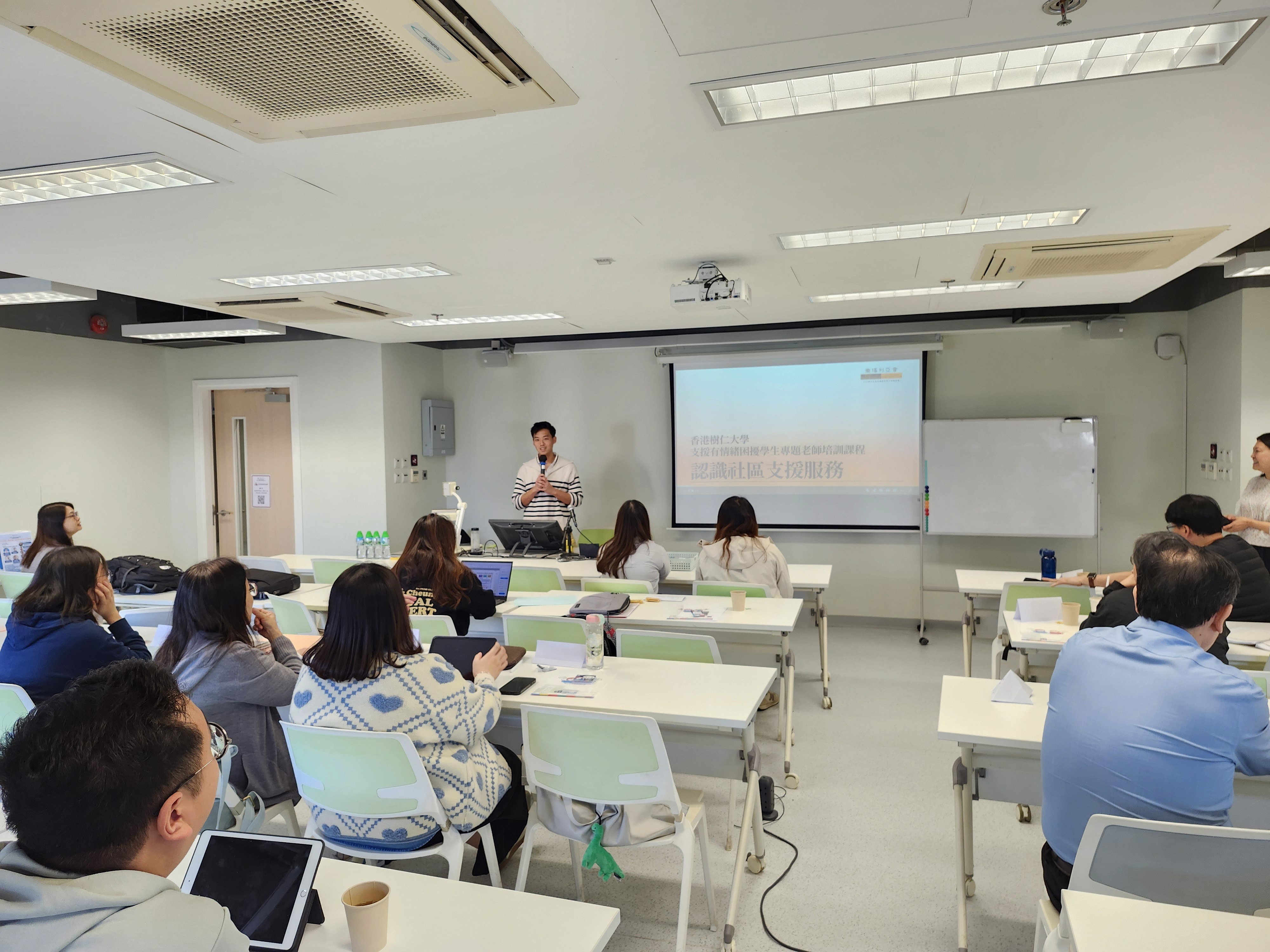
After registration, we will guide you through selection, training and supported practice before you begin taking calls.
01
The team will explain the work and commitment, and learn what you hope to bring to the organisation. It’s a chance for us to get to know each other and discuss whether the role is right for you.
02
Through practice scenarios, group discussion and practical work, you will learn about empathetic listening, confidentiality, boundaries and awareness of risk.
03
After the classroom sessions, you’ll move on to observation and supervised practice.
04
Support continues after training. You can turn to mentors, fellow volunteers and the team after difficult or emotionally demanding conversations.
After registration, we will guide you through selection, training and supported practice before you begin taking calls.
01
The team will explain the work and commitment, and learn what you hope to bring to the organisation. It’s a chance for us to get to know each other and discuss whether the role is right for you.
02
Through practice scenarios, group discussion and practical work, you will learn about empathetic listening, confidentiality, boundaries and awareness of risk.
03
After the classroom sessions, you’ll move on to observation and supervised practice.
04
Support continues after training. You can turn to mentors, fellow volunteers and the team after difficult or emotionally demanding conversations.
After registration, we will guide you through selection, training and supported practice before you begin taking calls.
01
The team will explain the work and commitment, and learn what you hope to bring to the organisation. It’s a chance for us to get to know each other and discuss whether the role is right for you.
02
Through practice scenarios, group discussion and practical work, you will learn about empathetic listening, confidentiality, boundaries and awareness of risk.
03
After the classroom sessions, you’ll move on to observation and supervised practice.
04
Support continues after training. You can turn to mentors, fellow volunteers and the team after difficult or emotionally demanding conversations.




Still have a question?
Get in touch with our team.
Still have a question?
Get in touch with our team.
Still have a question?
Get in touch with our team.
Volunteer with us
Thank you for offering your time to support people in distress. Please answer the two eligibility questions first. If you meet the basic requirements, you may then provide your contact details. Eligible applicants will be contacted about upcoming training arrangements.
Registration of interest does not guarantee selection, admission to training, or acceptance as a listening volunteer.
Frontline listening service has minimum age and legal-status requirements in Hong Kong. Your answers are used only to determine whether the next section can be shown.
Volunteer with us
Thank you for offering your time to support people in distress. Please answer the two eligibility questions first. If you meet the basic requirements, you may then provide your contact details. Eligible applicants will be contacted about upcoming training arrangements.
Registration of interest does not guarantee selection, admission to training, or acceptance as a listening volunteer.
Frontline listening service has minimum age and legal-status requirements in Hong Kong. Your answers are used only to determine whether the next section can be shown.
Volunteer with us
Thank you for offering your time to support people in distress. Please answer the two eligibility questions first. If you meet the basic requirements, you may then provide your contact details. Eligible applicants will be contacted about upcoming training arrangements.
Registration of interest does not guarantee selection, admission to training, or acceptance as a listening volunteer.
Frontline listening service has minimum age and legal-status requirements in Hong Kong. Your answers are used only to determine whether the next section can be shown.